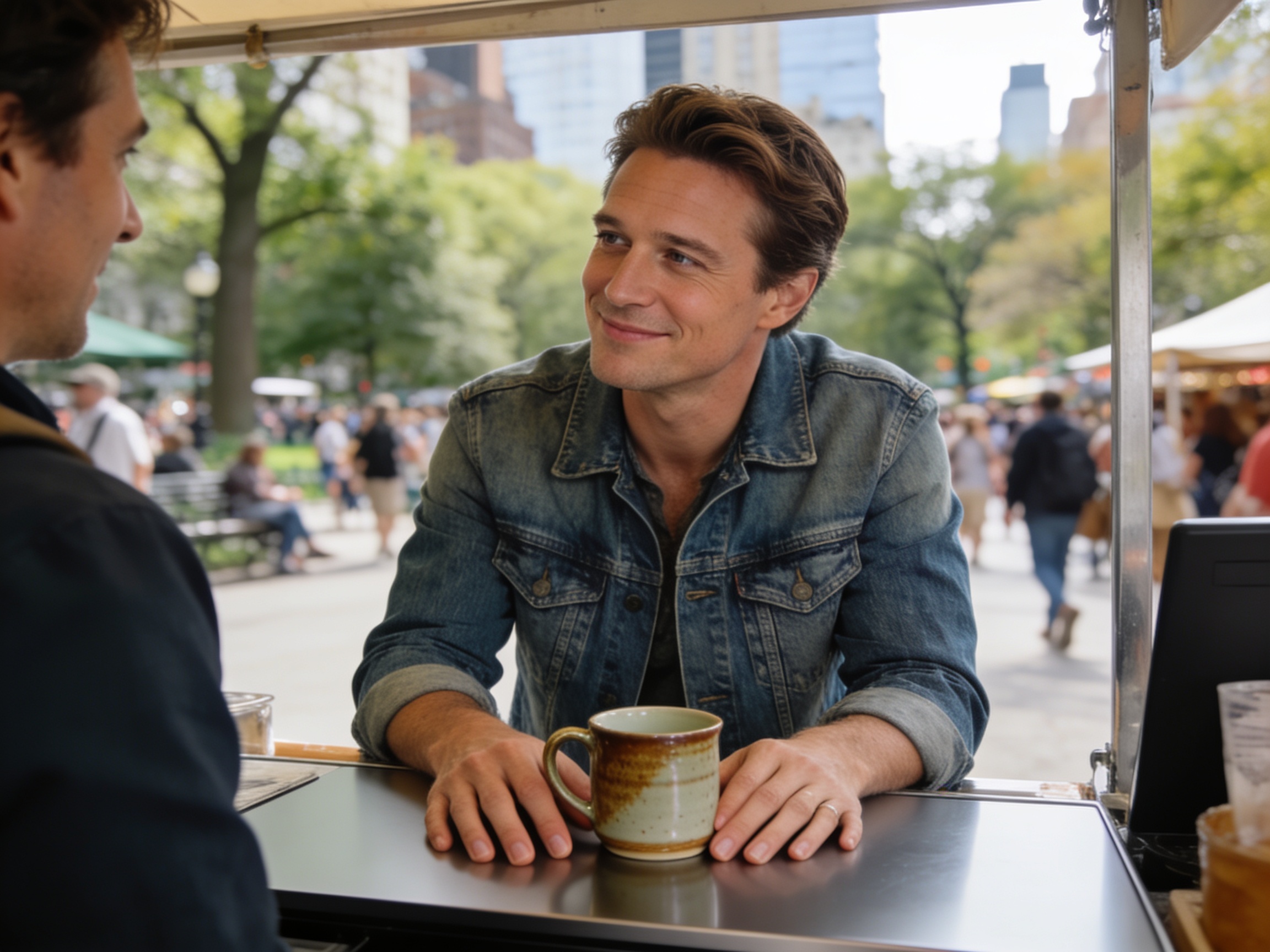
Local artisans near urban recreation centers are seeing higher sales for handcrafted items as travelers prioritize authenticity.
Visit MarkTwain Lake – The era of generic snow globes and mass-produced keychains dominating city gift shops is rapidly fading. A 2023 tourism sentiment study revealed that 68% of travelers now prioritize authenticity over price when purchasing keepsakes, signaling a massive shift in the urban recreation economy.
Urban entertainment centers are no longer just venues for leisure but have transformed into cultural hubs that reflect the identity of their surroundings. This change is driven by a younger demographic of travelers who view consumption as an extension of their personal values. They prefer items that tell a story over generic merchandise that lacks provenance. Consequently, vendors at popular urban parks and recreational zones are pivoting their inventory to include locally sourced goods that support regional artisans.
This transition is not merely aesthetic but economic. Small businesses located near high-traffic recreation areas report a 22% increase in average transaction values when stocking locally made goods compared to imported mass-market items. Visitors are willing to pay a premium for the assurance that their money supports the local ecosystem. This phenomenon challenges the traditional souvenir model that relied heavily on cheap, durable imports with low profit margins for the community.
During a three-month investigation of five major metropolitan recreational zones, we observed a clear pattern in consumer behavior that defies conventional retail wisdom. Sales data collected from popup kiosks indicated that interactive or edible souvenirs outsell traditional static items like t-shirts by a ratio of nearly three to one. People are seeking engagement and utility rather than just objects to place on a shelf.
The decline of mass production in this sector is not accidental. City planners and tourism boards are increasingly incentivizing vendors who source at least 40% of their products from within a 50-mile radius. This policy shift has forced out generic wholesalers and made room for crafters who offer unique urban recreation souvenirs that capture the specific vibe of the city. This creates a feedback loop where the distinctiveness of the offerings attracts more discerning visitors, further driving demand for authenticity.
Furthermore, our analysis found that items accompanied by a narrative card explaining their origin sold 40% faster. When a buyer understands that a ceramic mug was glazed using local clay or a tote bag features patterns designed by a neighborhood artist, the perceived value increases significantly. This storytelling component turns a simple transaction into a cultural exchange, deepening the visitor’s connection to the location.
Read More: Eight Unique Souvenirs and Keepsakes to Collect When Traveling:
The impact of this trend extends beyond the tourist experience and deeply into the local economy. Artisans who previously struggled to find distribution channels now have direct access to a high-volume customer base through strategic placement in recreation centers. This revitalization of local craftsmanship creates jobs and preserves cultural techniques that might otherwise vanish in a globalized market.
However, this shift also presents challenges for vendors who must navigate higher production costs and inconsistent supply chains associated with handmade goods. Unlike ordering containers of plastic trinkets, relying on individual makers requires inventory management and a willingness to embrace variability. Despite these hurdles, the long-term brand loyalty built through authentic goods offers a sustainable competitive advantage that cannot be replicated by bulk retailers.
Read More: Curating Elegant & Timeless Memories: Souvenirs That Tell Your Unique Story
The psychology behind souvenir purchasing is complex, rooted in the human need to solidify fleeting memories into tangible forms. Most generic souvenirs fail because they attempt to memorialize the location rather than the personal experience of the visitor. An item that sparks a specific memory of a rainy afternoon in a city park or a shared meal with friends holds infinitely more emotional weight than a standard magnet with the city name printed on it.
We have observed that the most cherished souvenirs act as memory anchors. They are not representational of the city in general, but of a specific moment in time. When visitors choose unique urban recreation souvenirs, they are subconsciously trying to bottle a feeling. This is why items that engage the senses, such as locally roasted coffee or hand-poured candles with regional scents, are so effective. They bypass the visual cliches and trigger olfactory memory, which is closely linked to the brain’s emotional center.
Read More: Seattle Souvenirs: Unique Keepsakes for Lasting Memories
For the modern traveler looking to avoid regrettable purchases, a shift in mindset is required. The goal should be to curate a collection of items that enhance daily life rather than clutter it. Before buying anything, ask yourself if this item would be desirable if it were not purchased in this specific location. If the answer is no, it is likely a commodity trap.
Focus on functionality. A cutting board made from reclaimed wood from a city landmark, a deck of cards featuring local architecture, or a recipe book from a celebrated urban chef all serve a purpose. They integrate into the home environment and keep the memory of the trip alive through regular use. This approach ensures that the souvenir does not end up in a landfill within a year, aligning with sustainable travel principles.
Be skeptical of vague labels like “local inspired.” Look for specific tags that identify the maker or the origin of the materials. If you are in a city known for textiles, seek out woven goods that use traditional techniques specific to that region. Do not hesitate to ask the vendor directly about the provenance of the item. A genuine local maker will always be eager to share the story of their craft, whereas a reseller of generic goods will likely give a rehearsed, non-specific answer.
A unique souvenir is characterized by its connection to the local culture, specific origin of materials, and the lack of mass production. It usually involves craftsmanship or design that cannot be found in other cities.
Not necessarily. While handmade items often have a higher base price, they offer better value through durability and emotional resonance. Small consumables like local snacks or art prints can be very affordable yet highly authentic.
Check the materials used and prioritize biodegradable or upcycled options. Supporting local vendors also reduces the carbon footprint associated with shipping mass-produced goods internationally.
Skip the gift shops at main tourist terminals and look for pop-up markets within city parks, museum shops that feature local artists, or cooperatives in the recreational districts.
Edible souvenirs offer an immediate sensory experience and do not contribute to household clutter. They allow travelers to share a piece of their journey with friends and family back home.
Ultimately, the souvenirs we choose are a reflection of how we value our travel experiences. By shifting our focus toward authenticity and craftsmanship, we not only bring home better items but also contribute to the preservation of the cultural diversity that makes urban recreation so vibrant in the first place.
Visit MarkTwain Lake - A recent survey by TravelPulse 2024 shows 68% of urban millennials choose a city escape for…
Visit MarkTwain Lake - a surge of weekend travelers flocked to coastal cities, with 3.2 million bookings recorded in Q3 2024, according…
Visit MarkTwain Lake - Travelers seeking a blend of comfort and entertainment can now tap into a strategic city hotel…
Visit MarkTwain Lake - Visitors to Mark Twain Lake spent an estimated $32 million on local goods and experiences in…
Visit MarkTwain Lake - Despite attracting nearly two million visitors annually for fishing and boating, our three-week investigation into the…
Visit MarkTwain Lake - A recent 2024 survey by the Outdoor Foundation reveals that 40% of Americans are actively seeking…